Niguarda
Patrician villas and industrial archaeology
The historic core of Niguarda was centred on the ancient church of San Martino, located in what is now Piazza Belloveso.
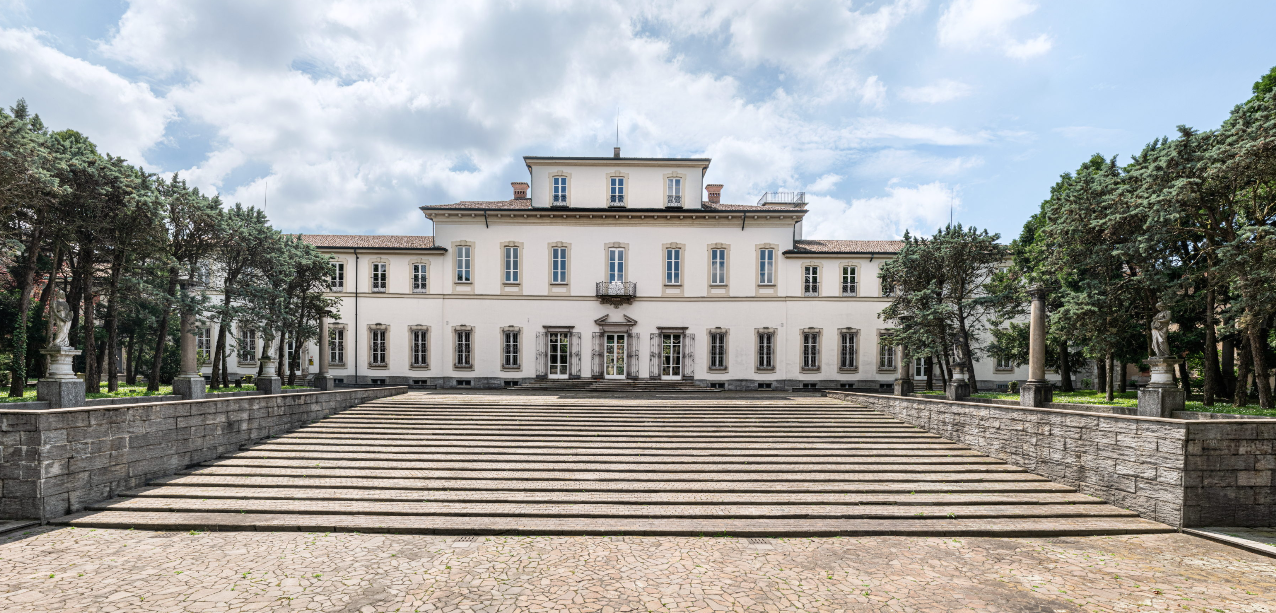
During the Renaissance, Niguarda became a suburban residential area for the Milanese nobility: the amenity of the area, crossed by watercourses, favoured the construction of numerous aristocratic residences, including villa Corio, the oldest, villa Trotti and the majestic villa Clerici, which today houses the Galleria d’Arte Sacra dei Contemporanei.
In the second half of the 19th century, with the spread of the phomopsis cane, the local economy shifted towards the cultivation of mulberry trees for the breeding of silkworms, giving rise to the first manufacturing activity.
The subsequent industrial expansion of Niguarda led to the need for housing for the new working class in the end of the 19th century. The factories were developed in the Bicocca area, under the influence of the Italian company Ernesto Breda operating in the engineering sector to produce coaches and locomotives. A symbol of the industrial archaeology of the time is the Hangar Bicocca, now an exhibition hall for contemporary art owned by the Pirelli group.