Affori
The ancient feud and villa of the great Lombard aristocracy
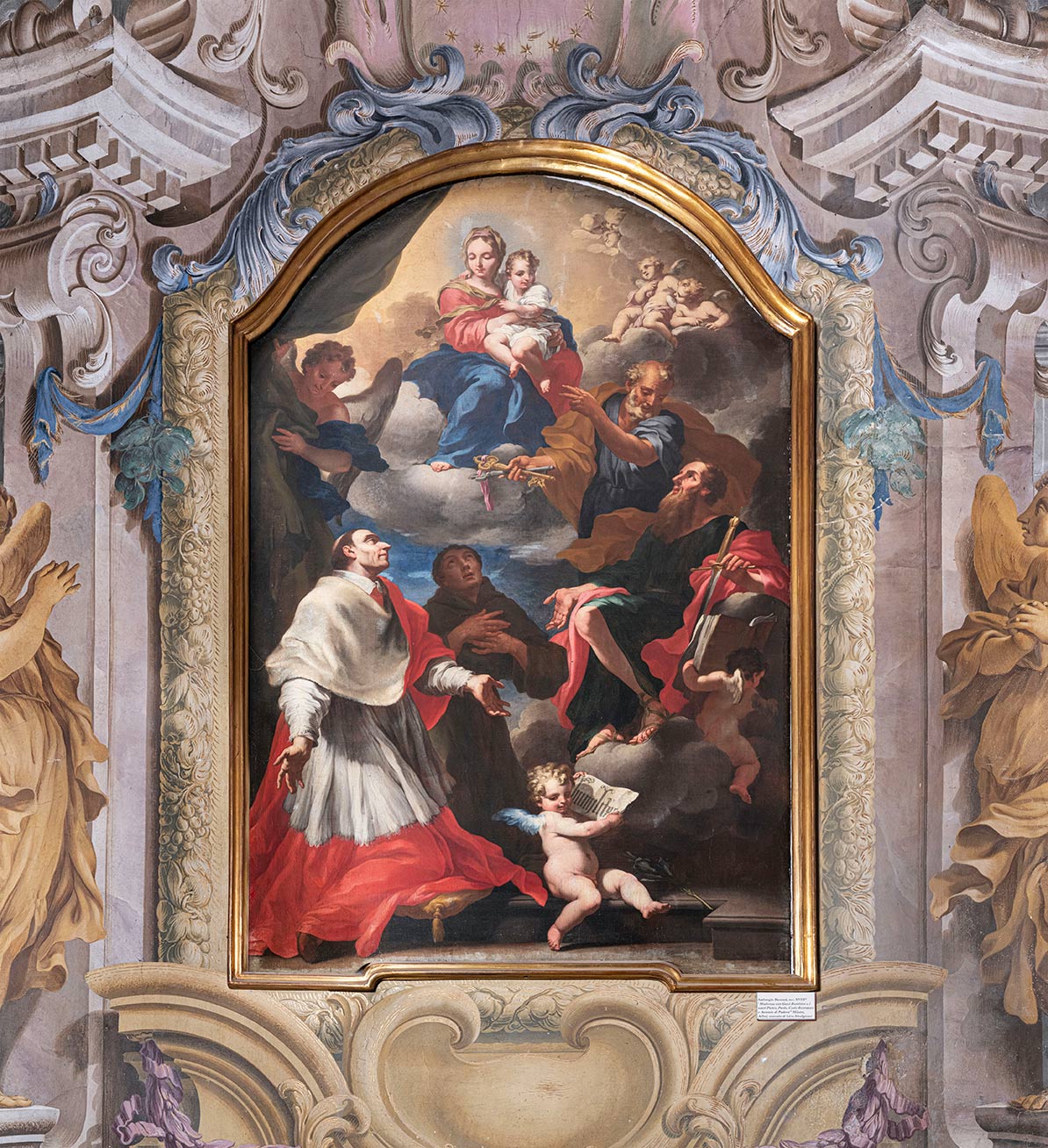
Affori’s history is closely linked to the Benedictine monks’ properties o of the basilica of San Simpliciano, as evidenced by the oratory of San Mamete and the church of Santa Giustina, built in the 15th century and replaced by the present one, from the middle of the 18th century.
In later times, villa Litta Modignani became the heart of Affori. Villa Litta was built in 1687 by Marquis Pier Paolo Corbella on the ruins of an earlier Visconti residence. The building, as its ownership passed between different noble families, became the heart of the ancient village, thus turning Affori’s agricultural economy into an artisanal and small-scale production system.
The villa, now the landmark of Affori, is surrounded by a park with centuries-old plane trees and large expanses of grass in which a number of architectural elements highlight its ancient splendour.
In addition to these historical elements, there are also medieval remains that are still visible, such as the watchtower in Via Osculati and the core of the village between Via Taccioli and Via Cialdini.
The industrialisation of Affori, which began in the late 19th and early 20th century and was facilitated by the construction of the Milan-Erba railway line, permanently changed its appearance.