Trenno
Trenno and its hamlets: a history between waterways and agricultural traditions
Trenno extends over a vast area crossed by countless watercourses including irrigation ditches, fountains and, to the north, the Olona River, which favoured soil fertility and agricultural development.
The historic village of Trenno was centred around the Church of St John the Baptist, built in the mid-17th century on a pre-existing one.
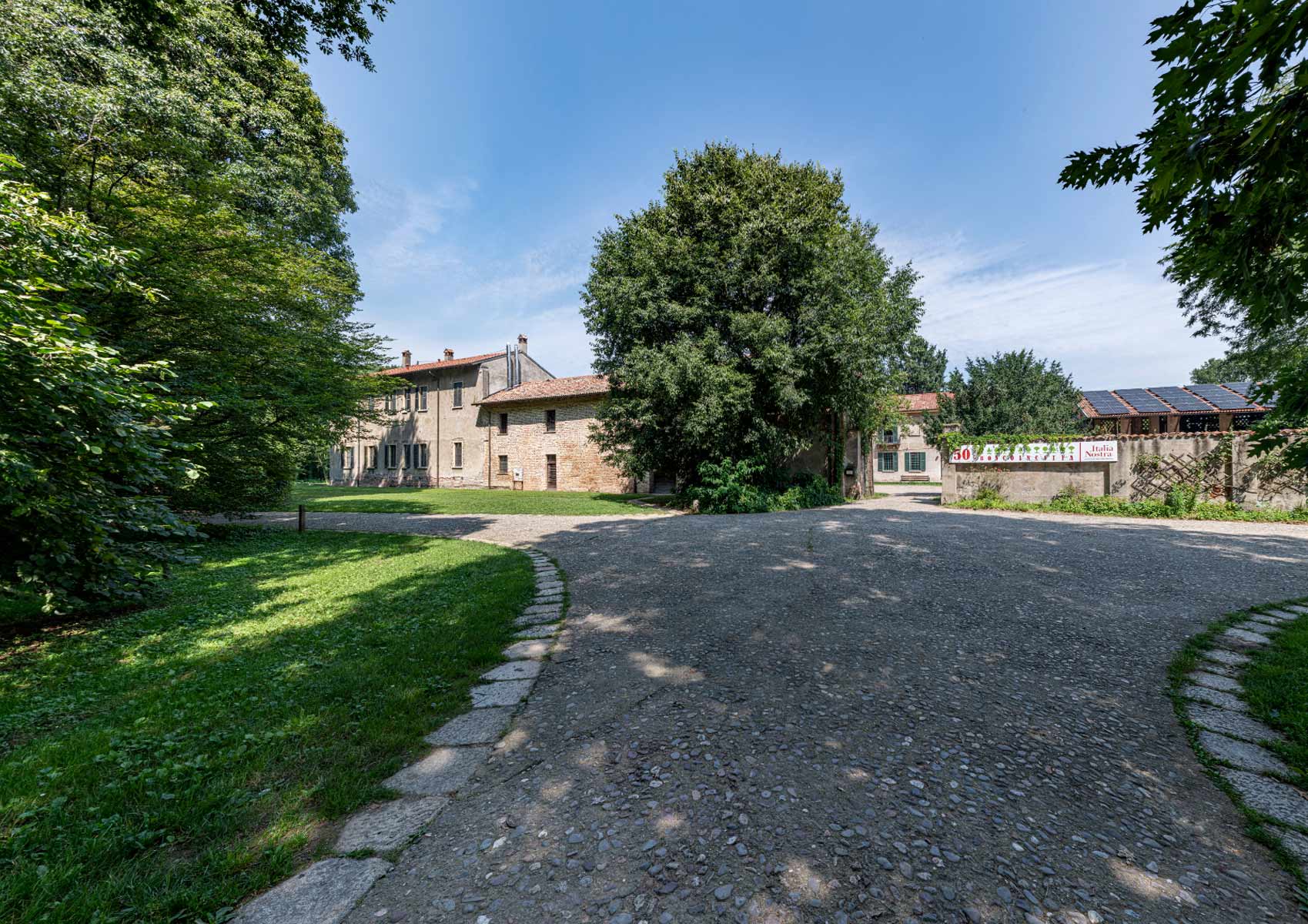
Other significant places include Quarto Cagnino, with its stationary cross, Quinto Romano, with its farmsteads, and Figino, with the Church of San Materno. These are hamlets that have largely retained their small-town appearance, thus escaping industrialisation and urbanisation while retaining their purely rural connotations.
The area is also rich in large green areas that can be enjoyed by the population, such as the Boscoincittà, with its wetlands, and the Aldo Aniasi Park. The latter houses the Milan War Cemetery, opened in 1953, which contains the graves of the fallen of the Commonwealth of Nations during the Second World War.